


In April of 1888, Eleanor Marx and Edward Aveling delivered a Marxist evaluation of the poet Percy Bysshe Shelley to an institution known as “The Shelley Society”. Composed of some of the giants of the Victorian literary community, the Society undertook research, hosted speeches, spawned local affiliates, republished important articles and poems (some for the first time!) and even produced Shelley’s The Cenci for the stage. But the Shelley Society was also a vehicle seemingly designed to obliterate Shelley’s left-wing politics. This article examines why the Shelley Society came into being and how it influenced the reception of Shelley for generations to come. Go behind the scenes with me as Eleanor Marx battles the forces of the male, bourgeois, Victorian literary establishment.

When Shelley said poets were the "unacknowledged legislators of the world", he used the term "legislator" in a special sense. Not as someone who "makes laws" but as someone who is a "representative" of the people. In this sense poets, or creators more generally, must be thought of as the voice of the people; as a critical foundation of our society and of our democracy. They offer insights into our world and provide potential solutions - they underpin our future. An attack on creators is therefore an attack on the very essence of humanity.
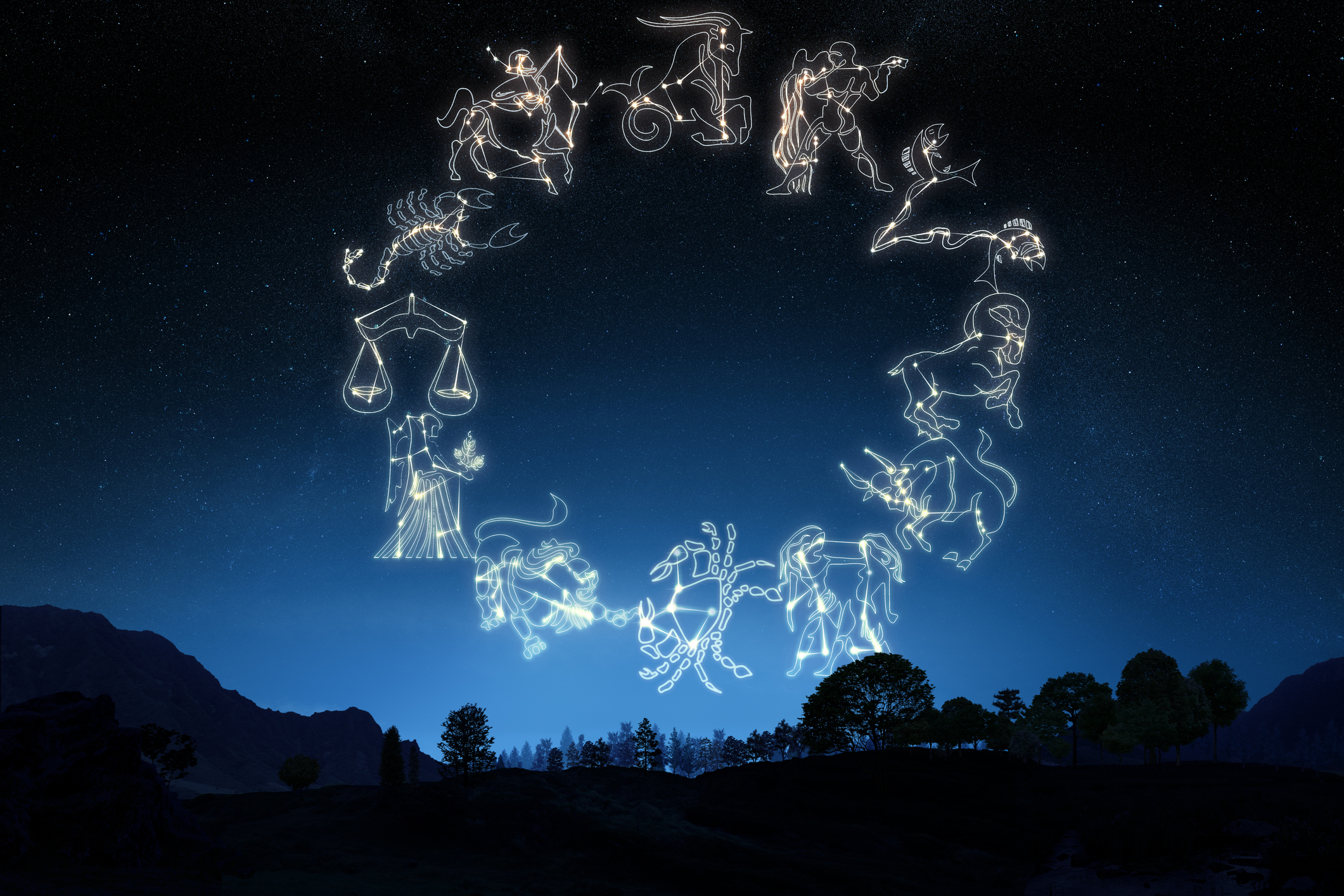
WHO ARE YOU IN SHELLEY'S ROMANTIC ZODIAC?!?!
Do you want to know which love poem rules your sign? Which poem speaks to the heart of your loved one? Well look no further. We got ya covered. Happy Valentine’s Day Shelley Nation! Follow the link and dig in.
At last! Someone has undertaken a close reading of Shelley’s most romantic poems in order to match them with the 12 astrological signs! Who did this amazing thing? The Real Percy Bysshe Shelley did - that’s who.

Allow me to introduce you to Oliver. Oliver popped up one day on my twitter feed. Oliver’s pronouns are they/their and they are a high school student living in Michigan. Oliver has an incredible passion for poetry and Shelley in particular. Oliver started asking for book recommendations - and they devoured them. They started doing research and bringing new findings and perspectives to our twitter feeds. Oliver started engaging with a large cross-section of the online Shelley community - ranging from amateur fans to some of the most respected academic authorities in the world!

There’s something in the Romanticism of Percy Shelley that seems always on the verge of breaking down the gate-posts of history and gusting into our world. The archival shackles in which the academic humanities prefer to keep their spectral versifiers and yawping hobgoblins enclosed seem especially frangible and ill-suited to the reluctant baronet’s “sword of lightning, ever unsheathed, which consumes the scabbard that would contain it.” Shelley is present in our efforts to meet and counteract the predicaments of our moment (from the mendacious mis-rule of government elites to the devastation of natural habitats for profit) in a way that Wordsworth, scrummily in awe of Nature and his own perception of it, is not – or at least, not so fluently.

This is a Marxist evaluation of the poet Percy Bysshe Shelley by Eleanor Marx and Edward Aveling. It was delivered as a speech to the Shelley Society in April of 1888. This is the only complete and authoritative version of the speech that is available on line. It is almost impossible to find in a printed format.

Paul Bond’s essay is nothing less than a tour de force encapsulating and documenting Shelley’s reception by the radicals of his own era down to those of today. His article is wonderfully approachable, sparkles with erudition and introduces the reader to almost the entire radical dramatis personae of the 19th Century. I think it is vitally important for students of PBS to understand his radical legacy. And who better to hear this from than someone with impeccable socialist credentials: Paul Bond.

A short while ago, I sat down over a zoom call with the two masterminds behind a gorgeously shot 14 minute film that is a celebration and commemoration of Percy Bysshe Shelley’s poem, Ode to the West Wind. It is called “Human O.A.K.”. An actor, producer and director, the multi-talented Ulisse Lendaro is the Italian creative genius behind the film. Lendaro’s co-production partner is Jitendra Mishra, a producer who has already been associated with the production, distribution and promotion of more than 100 films in different categories in various capacities. Many of them have received worldwide acclamation and recognition in global film festivals. For me it was a thrilling and inspirational conversation that was at times philosophical and at times profoundly emotional. Afterwards, Ulisse wrote me to say that our call had “quenched a thirst in my soul”. I share that emotion. I was so inspired by this conversation and what Lendaro has accomplished that I decided to go far beyond a typical interview and delve deeper into the topics we discussed. I hope you will enjoy what follows and become as inspired as I was. Together we can change our world for the better.

Professor Michael O’Neill was a renowned poet and also one of the great modern scholars of Romanticism. No less an authority than Seamus Perry recently called him “one of our leading Shelleyan commentators.” He has died - at the dismayingly young age of 66. You can read the obituary published by the Keats Foundation here: This is a great loss and one which it will not be easy to recover from. In this, the third and final keynote of the Shelley Conference 2017, Professor Michael O’Neill takes us on an extraordinary excursion through Shelley’s prose. Alighting on works such as A Defense of Poetry, On Life, Address on the Death of Princess Charlotte, A Philosophical Review of Reform, On Christianity, and Speculations of Metaphysics, O’Neill conveys a deep and abiding knowledge and love of his subject. He offers common sense, close readings which bring Shelley alive and illustrate what he calls Shelley’s "drama of thought". The first 15 minutes set the scene and once O’Neill hits his stride with a magisterial reading of An Address to the People on the Death of Princess Charlotte, we are comfortably in the hands of a master who takes us on a tour of Shelley’s metaphysical, polemical and religious ruminations.

In September of 2017 "The Shelley Conference" took place in London, England. It brought together some of the greatest Shelleyans alive, and it introduced to the world a new generation of young scholars brimming with interesting ideas about Mary and Percy. Carl McKeating is one of those young scholars. Carl introduces some startling insights into what and who shaped the impressions the Shelley's formed of Mont Blanc and its environs. Those impressions were to influence some of the most important literature in the western canon: Percy's poem, Mont Blanc and Mary's novel, Frankenstein. Please join Carl for a thrilling, insightful 20 minute excursion to Chamonix in 1816!

In September at the London Shelley Conference 2017 I had the pleasure of listening to an expert, Professor Tom Mole, speak about one of my favourite subjects: what Victorians thought of Percy Bysshe Shelley. This is actually an extremely important question, because what the Victorians thought about Shelley set the tone for succeeding generations of readers and critics. They played a crucial and controversial role in the transmission of Shelley's poetry to the modern era. Professor Mole has done Shelleyans a great service.

I have a treat in store for members of the Shelley Nation. Michael Demson’s book, Masks of Anarchy tells the story of two political radicals and the poem that brought them together: Percy Shelley and the early 20th Century union organizer he inspired, Pauline Newman. Demson, in collaboration with illustrator Summer McClinton, accomplishes this through an unusual medium: a radical comic. This gets my RPBS "Stamp of Champ, You Must Read This" recommendation! You can get the eBook for about $14 CDN and the paperback for $8. This is an unbelievable bargain. Just DO IT!

In May of 1820, Percy Byshe Shelley, who was living at Pisa at the time, in Italy, wrote two letters to his friend Leigh Hunt. In the letter Shelley asked if Hunt knew if “any bookseller would like to publish a little volume of popular songs, wholy political, and destined to awaken and direct the imagination of reformers.“ Hunt declined to publish the collection and what a loss it was. In 1990, 170 years later, Paul Foot and Redwoods books set out to right the wrong by collecting together those works which they thought Shelley most likely would have included in the collection. It’s been 30 years since this collection was published. And now, I assume in honour of the 200th anniversary of Peterloo, Redwoods is republishing this collection. The new edition has been updated and we are now treated to an afterword by the brilliant Irish Shelley scholar Paul O’Brien. Ciarán O’Rourke is a brilliant young poet and Marxist from Ireland. He is the founder and editor of the online archive Island's Edge Poetry which features interviews with contemporary Irish poets about their work and craft. His first collection, The Buried Breath, is available from Irish Pages Press. He is based in Dublin, Ireland. Read his review of the new edition here!

Professor John Mullan analyses how Shelley transformed his political passion, and a personal grudge, into poetry.

Most of my focus at The Real Percy Bysshe Shelley is on Percy Shelley’s poetry and prose - and his radical politics in particular. But every now and then, it is important to draw attention to other poets in his circle; particularly those whom he admired. So today I want draw everyone’s attention to the recent digital publication of Keats’ two volume copy of Milton’s Paradise Lost.

In 1820, Shelley began toying with the idea of publishing (as he put it) “a little volume of popular songs wholly political & destined to awaken & direct the imagination of the reformers.” As with other poems to be included in this collection, “To S. and C.” confronts some of the major events of the day with a bouncy, catchy rhythm, and it offers instruction through a collection of straightforward but powerful similes. Such a style of writing seems to affirm the view that England’s common people, and not just educated elites, have a part to play in the country’s reform movements.

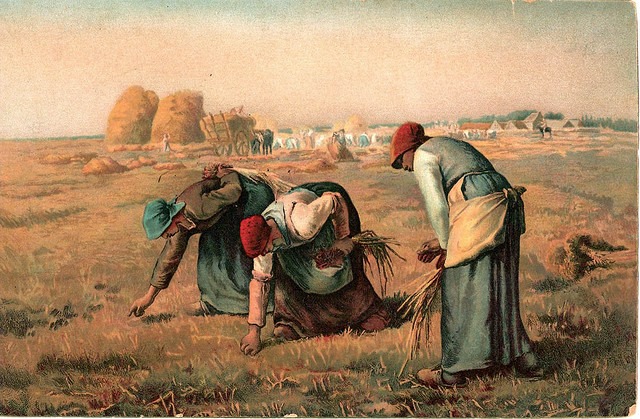
In Europe’s revolutionary era, the contest over hearts and minds was fought across many cultural arenas. We get a sense of this in “Men of England,” a poem written in the style of the popular songs that, in the England of Shelley’s day, would have been the stuff of riotous sing-alongs in pubs, fairs, and other centres of public life.
Follow The Real Percy Bysshe Shelley on Instagram!

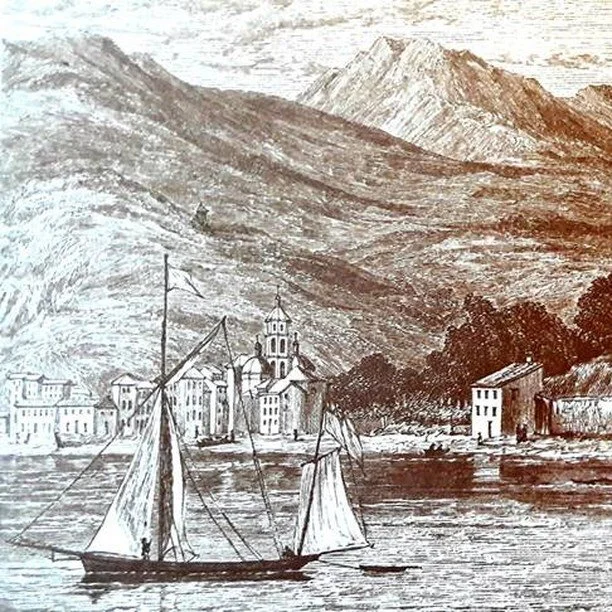
Was Shelley’s heart truly unburnable? Or is it a just myth that’s survived two centuries? Dive into a gripping exploration of poetic legend, political symbolism, and discover the truth hidden behind the flames.